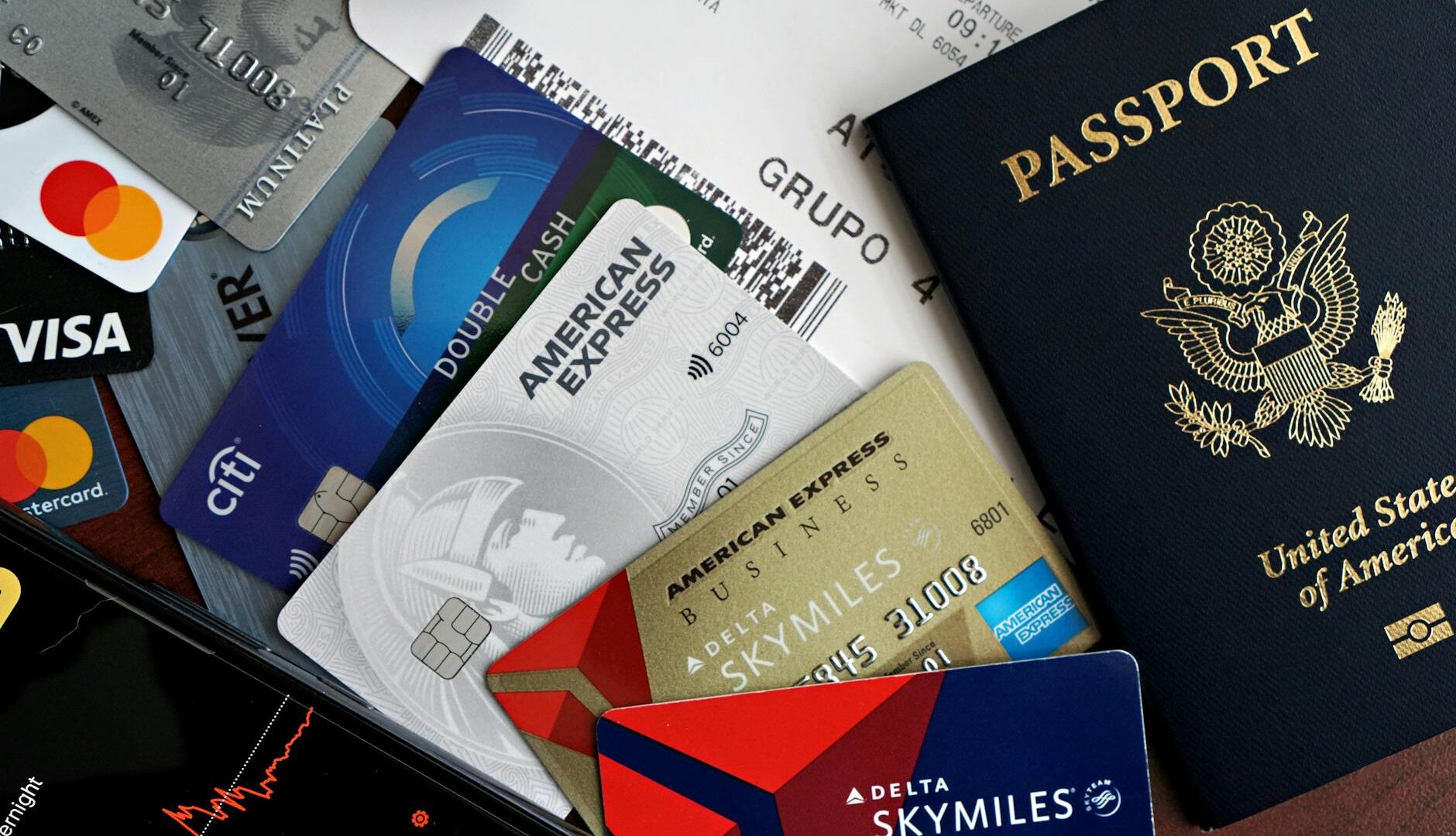
Why Your Credit Card Travel Insurance Won’t Save You Abroad
You pay $150+ a year for a premium credit card with travel insurance listed in the benefits, but does that coverage truly protect you abroad? This guide answers what credit card fine print actually excludes and why standalone emergency travel medical insurance is often necessary.
Many Canadian travellers check the box and forget about it. But here is what the fine print actually says: most Canadian premium credit cards cap emergency medical coverage at $1,000,000. That sounds like a lot until you realize the conditions that void it.
What are the coverage gaps in credit card travel insurance?
Credit card travel insurance policies often contain significant gaps, including age cut-offs, short trip duration limits, pre-existing condition exclusions, and secondary payer restrictions. These hidden limitations can leave you without protection when a medical emergency happens outside Canada.
Age Restrictions
Most credit card travel insurance cuts coverage at age 65. Some at 60. After that threshold, you have zero medical coverage, regardless of what you are paying for the card.
Trip Length Limits
Coverage typically expires after 15 to 21 days of travel. Snowbirds spending 3 months in Florida are uninsured after day 21 unless you purchased a standalone policy.
Pre-Existing Condition Exclusions
Most credit card policies exclude any condition that changed in the 90 days before departure. Changed your medication dose? New prescription? Even a routine doctor visit that adjusted your treatment plan can void your coverage.
The “Secondary Payer” Problem
Many US credit cards offer only secondary coverage, meaning they will not pay until your provincial plan pays first. Because OHIP pays only a small fraction of costs abroad, claims often stall while you wait for provincial paperwork.
How much does out-of-country medical care cost without adequate insurance?
Emergency medical care outside Canada can quickly cost tens of thousands or hundreds of thousands of dollars out of pocket. Standard credit card coverage limits are often far too low to handle severe illnesses or major accidents abroad.
- A broken leg in the US: $50,000+
- Cardiac bypass surgery: $150,000+
- Air ambulance repatriation from Asia: $200,000+
- Your credit card limit: typically $25,000 to $50,000
Why choose standalone travel medical insurance over a credit card?
Standalone emergency travel medical insurance provides dedicated protection without secondary payer complications or restrictive card limits. We distribute TuGo travel insurance, which offers up to $5,000,000 in emergency medical coverage on eligible Traveller plans, with claims and 24/7 emergency assistance handled directly by TuGo.
TuGo coordinates directly with hospitals, including arranging direct-pay hospital billing where the plan allows, so you are admitted without paying upfront.
Compare your coverage – get a quote in about 2 minutes →
Questions travellers ask
Does credit card travel insurance cover travellers over age 65?
Most credit card travel insurance cuts emergency medical coverage at age 65 while some cut coverage at age 60. After reaching that threshold, you have zero medical protection under your card. Standalone travel medical policies offer coverage designed for older travellers.
How long can you travel under credit card travel insurance?
Credit card travel medical coverage typically expires after 15 to 21 days of travel. If you travel for longer periods, like snowbirds spending 3 months in Florida, you are uninsured after day 21 unless you purchase a standalone policy to protect the remaining time.
What pre-existing condition rules apply to credit card policies?
Most credit card policies exclude any medical condition that changed in the 90 days before departure. A change in medication dose, a new prescription, or even a routine doctor visit adjusting your treatment plan can void coverage completely during an unexpected medical emergency abroad.
What is the secondary payer problem with credit card travel insurance?
Secondary coverage means the card insurer pays only after your provincial health plan pays first. Because OHIP pays only a small fraction of emergency medical costs outside Canada, secondary payer rules create administrative delays and bureaucratic headaches when you need emergency medical payment.
Planning your next trip?
Up to $5,000,000 in emergency medical coverage. Get your price in 2 minutes.
Get my price